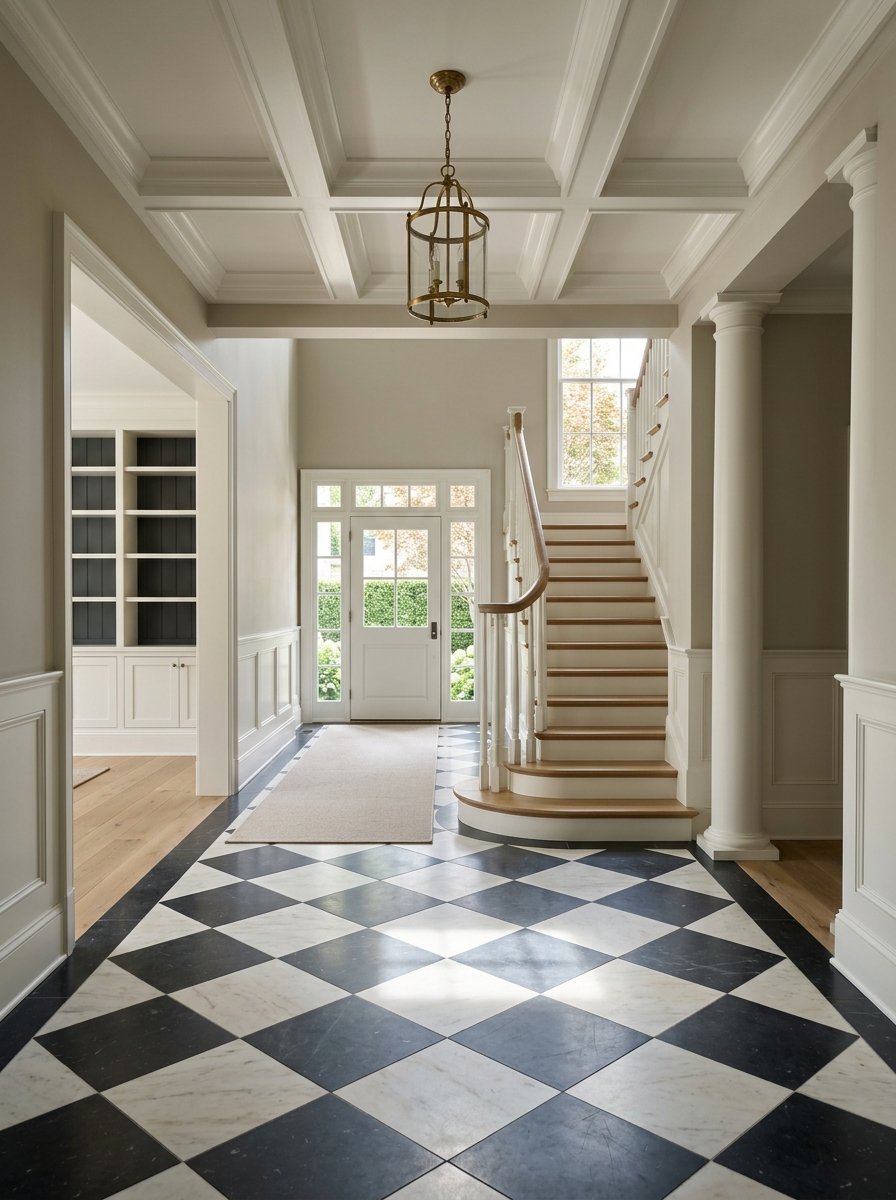
Bernardsville Home Styles Explained: From Estates To In-Town Gems
May 28, 2026
May 28, 2026
Wondering what kind of home really fits your life in Bernardsville? That is a smart question to ask before you fall in love with a listing photo or a charming front porch. In a town with estate roots, established neighborhood streets, and commuter-friendly in-town homes, the right choice often comes down to more than style alone. If you are trying to balance charm, upkeep, privacy, and convenience, this guide will help you understand the main Bernardsville home types and what each one may mean for your day-to-day life. Let’s dive in.
Bernardsville has a long and layered housing history. The borough grew from early settlement patterns, railroad-era development, and the summer-estate tradition known as the Mountain Colony. That history still shows up today in the mix of homes you will find across town.
Much of Bernardsville's housing stock is older and primarily single-family. According to the borough's 2025 Housing Element, 84.3% of housing units are 1-unit detached homes, and nearly 60% of homes were built before 1980. About 26.4% were built in 1939 or earlier, while only 2.0% were built in 2014 or later, which points to a mature market with limited new construction.
That older housing stock is part of Bernardsville's appeal, but it also matters in practical ways. The borough's housing plan notes that aging homes may bring future maintenance, energy-efficiency, and modernization challenges. So whether you are looking at a large estate or a smaller in-town property, style and condition should go hand in hand.
When many people picture Bernardsville, they think of grand homes on larger lots. That image comes from the Mountain Colony era, when rail service helped attract wealthy New Yorkers to build large seasonal residences north of town. This estate tradition remains one of the borough's most distinctive housing patterns.
Estate properties in Bernardsville are often about more than the main house. Historic examples show that these holdings may include secondary structures such as cottages, barns, garages, guest spaces, or other site features. That setup can create a beautiful and private setting, but it can also mean more systems, more land, and more ongoing care.
If you are drawn to estate-style living, the appeal is usually clear:
For some buyers, that lifestyle is exactly the point. If you value space, a tucked-away feel, and the character that often comes with older properties, an estate home can be a strong fit.
The tradeoff is maintenance. Larger-lot properties usually involve more landscaping, more exterior upkeep, and more oversight of structures beyond the main home. Even if the house itself has been updated, the land and outbuildings can add time, cost, and planning.
That is especially important in Bernardsville, where the housing stock skews older overall. If you are downsizing or simply want less day-to-day responsibility, an estate property may feel like too much home unless the property has already been thoughtfully simplified.
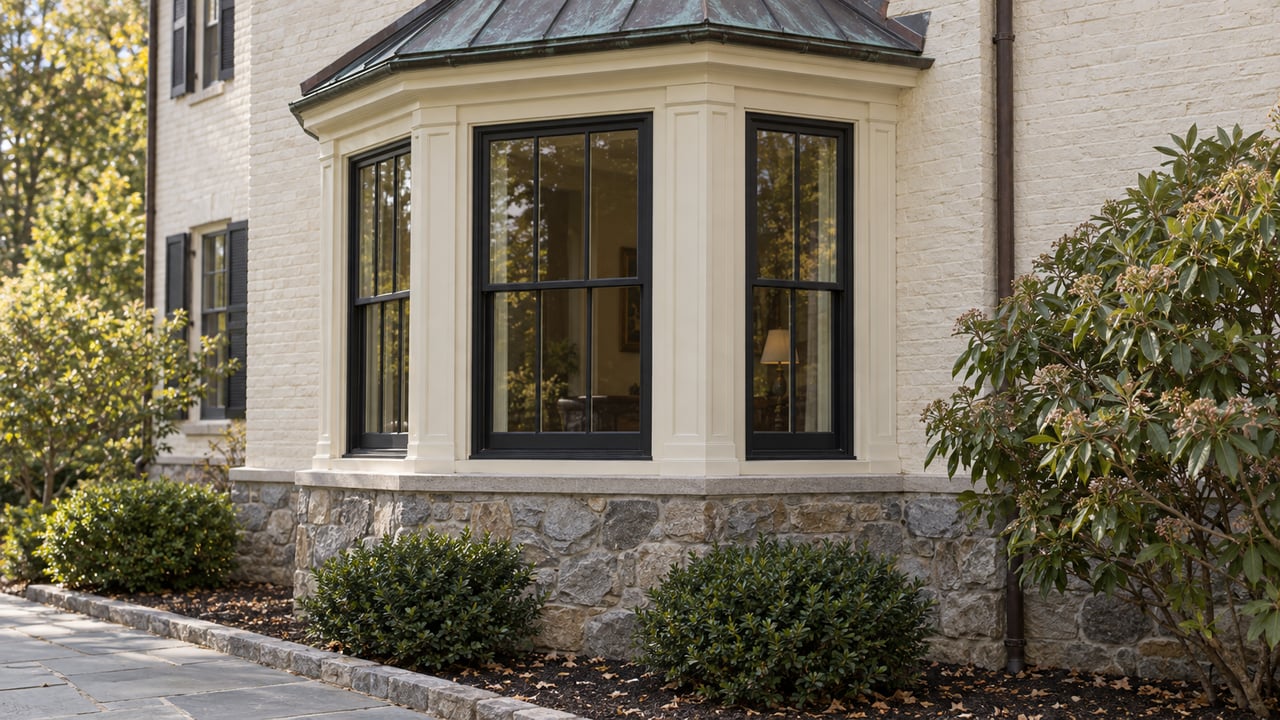
Between the grand estate landscape and the compact in-town setting, Bernardsville offers a middle ground that many buyers find appealing. This is where you will often find classic colonials, Colonial Revival homes, and other early 20th-century houses in more traditional neighborhood settings.
A useful example is the Olcott Avenue Historic District, developed roughly between 1899 and 1930. It was designed as a planned neighborhood for merchants and entrepreneurs, with deed restrictions related to lot size, setbacks, property use, and fences. That pattern helps explain why these areas often feel more structured and neighborhood-oriented than estate sections.
In these established neighborhoods, you may see a mix of:
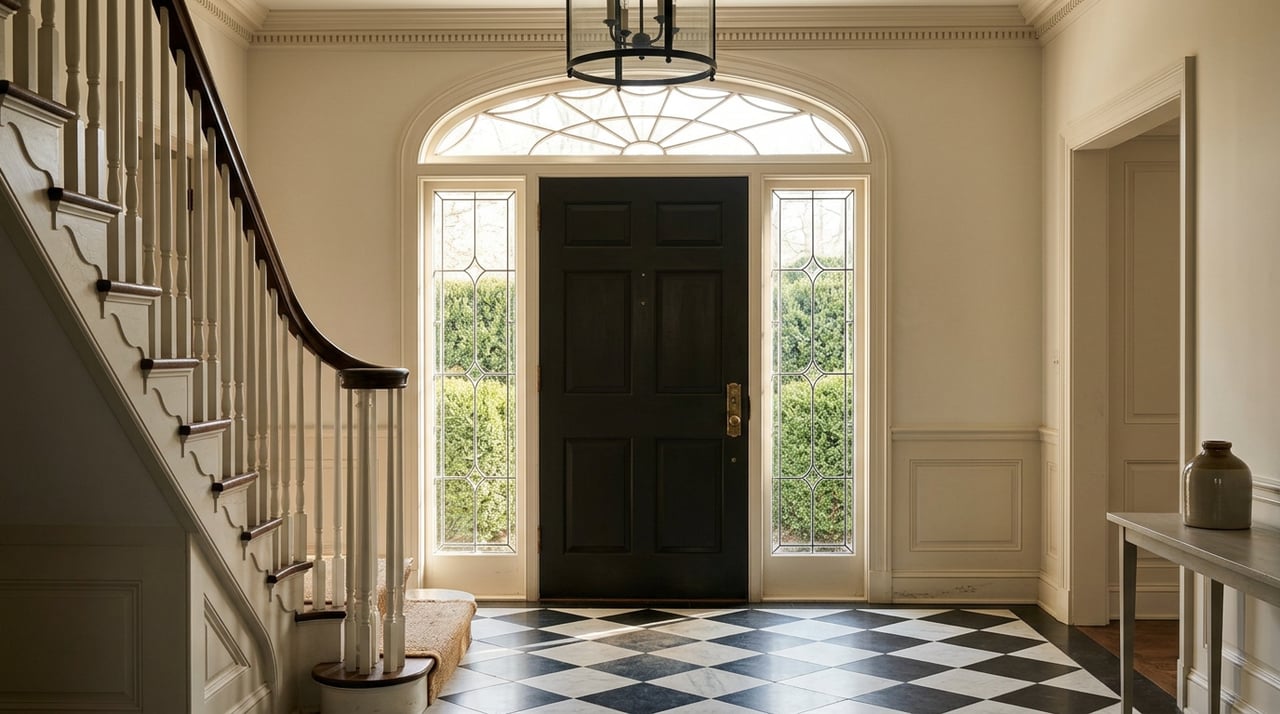
Common design features include open porches, steep roofs, prominent chimneys, shingle siding, natural materials, and decorative details that give these homes warmth and personality. Even when people call them "classic colonials," many are more accurately revival-era interpretations rather than original Colonial houses.
For many buyers, this is the sweet spot. You get architectural character and a traditional residential feel, but usually with less acreage and less site management than a true estate property. The lots are more regular, and the neighborhoods often feel established and cohesive.
If you want more room than a compact in-town home but do not want estate-level upkeep, this category may be the best fit. It can also work well if you love older-home charm but want a more manageable ownership experience.
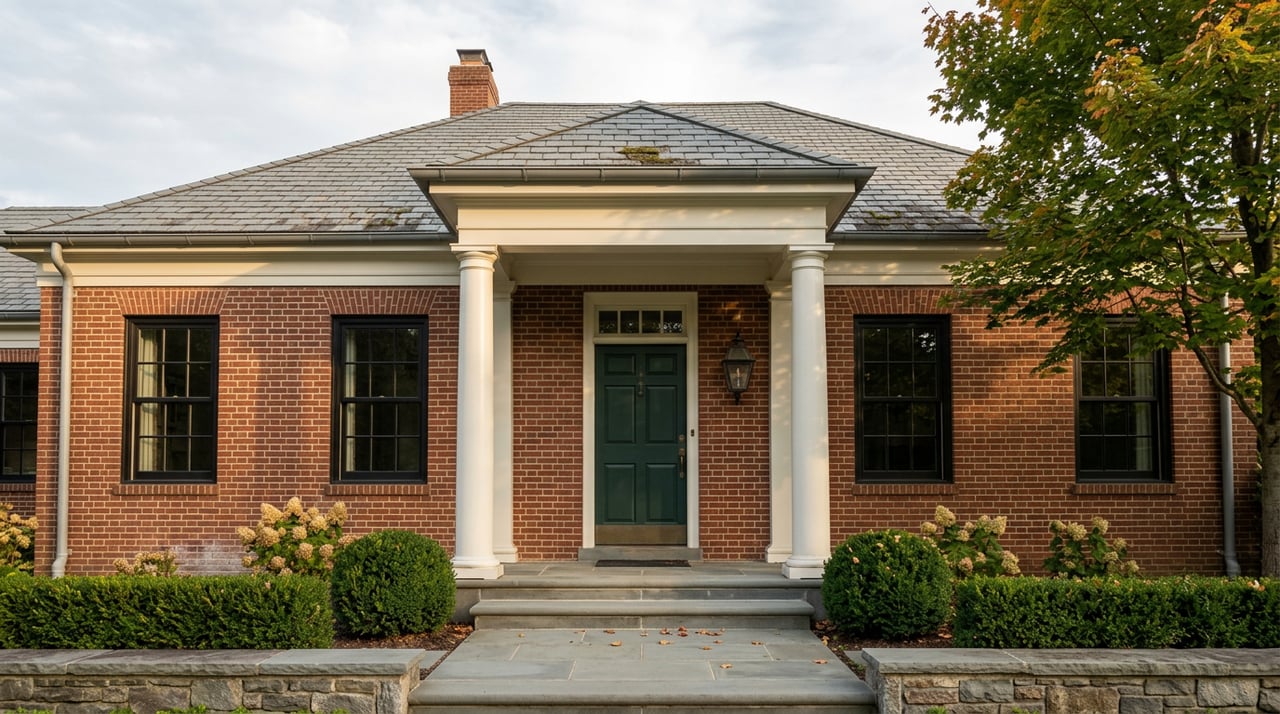
At the other end of the Bernardsville spectrum are the in-town homes near the downtown core. These homes tend to appeal to buyers who want proximity, a smaller footprint, and easier access to daily errands or the train.
Bernardsville's downtown district includes historic buildings and residential-type structures with shallow yards, porches, sloped roofs, and siding. The borough's zoning guidebook notes that the architecture in the core differs from the more suburban character of the corridors leading into downtown. That distinction helps explain why some homes feel truly in-town while others feel more edge-of-town.
The practical appeal of in-town living is often about convenience:
Bernardsville was designated New Jersey's 37th Transit Village in August 2025, and the borough's planning report notes that the Bernardsville station offers direct trains to New York Penn Station. For commuters, that makes in-town homes especially attractive.
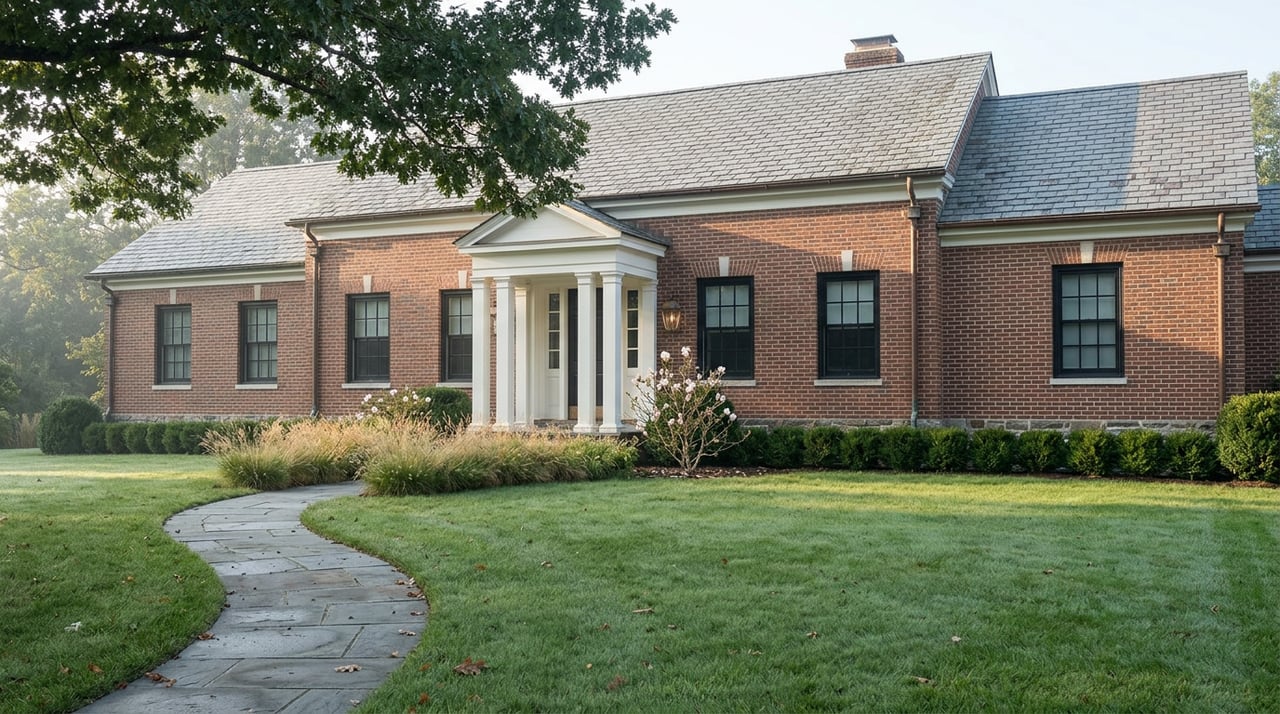
Bernardsville does not appear to have a formal cottage district in the local source material. Still, cottage-scale homes do appear in the borough's historic fabric and estate histories. In everyday real estate terms, "cottage" is a helpful shorthand for smaller, lower-maintenance homes rather than a formal planning category.
That can be useful if you are downsizing or simply want to simplify. Just keep in mind that smaller does not always mean newer or maintenance-free, especially in a town where much of the housing stock is older.
One of Bernardsville's biggest strengths is its historic character. The borough's Highlands planning report says 502.2 acres, or 6.1% of the borough, lie within five recognized historic districts, and Bernardsville includes 78 individually recognized historic properties. That level of preservation helps give the town its distinctive look and feel.
If you are buying in or near historic areas, it is helpful to understand the ownership mindset that may come with that setting. The borough's downtown guidebook strongly discourages demolition of historic structures and encourages preservation of historic facades and features. In practical terms, that can affect how you think about updates, repairs, and long-term planning.
This does not mean every older home will be complicated. It does mean you should look carefully at materials, windows, roofs, mechanical systems, and the condition of original details. Bernardsville's housing plan makes clear that aging homes may need modernization, so a thoughtful inspection and renovation plan matter.
The best home style is the one that matches how you want to live. In Bernardsville, the easiest way to compare options is to think about three things: lot size, proximity to downtown, and your comfort with maintenance.
Here is a simple way to frame it:
For many Bernardsville buyers, this comparison is more useful than style labels alone. A beautiful home still needs to fit your routine, your budget for upkeep, and your long-term plans.
This conversation is especially important if you are in a transition. If you are downsizing, you may be less focused on square footage and more focused on ease, layout, and maintenance. If you are moving up, you may want more space without taking on a property that feels overwhelming.
Bernardsville offers real choices across that spectrum. You can look at grand estates, settled neighborhood homes, or smaller in-town options depending on what this next chapter needs to look like. The key is being honest about how much home you truly want to manage, not just how much home you admire.
That kind of clarity can save you time and help you make a more confident decision. In a market where older homes, historic character, and limited new construction all play a role, a thoughtful match matters.
If you are thinking about buying or selling in Bernardsville, working with someone who understands both the market and the practical side of home transitions can make the process feel much more manageable. Whether you are right-sizing, preparing a longtime home for sale, or trying to narrow down which home style suits you best, Karen Tyrell offers calm, informed guidance every step of the way.
Stay up to date on the latest real estate trends.
Get assistance in determining current property value, crafting a competitive offer, writing and negotiating a contract, and much more. Contact me today.